Maharashtra, India's second-most populous state and home to the financial capital Mumbai, is ramping up efforts to transform its tourism landscape with a focused strategy on MICE travel, destination weddings, and UNESCO heritage sites. The state's recent showcase at the WOW Awards Asia signals an ambitious plan to capture a larger share of both domestic and international tourism markets by 2026.
The MICE Travel Opportunity
MICE—which stands for Meetings, Incentives, Conferences, and Exhibitions—represents one of the fastest-growing segments in global tourism. Maharashtra is particularly well-positioned to capitalize on this trend given its robust infrastructure, connectivity, and existing business ecosystem.
The state boasts world-class convention centers in Mumbai and Pune, along with a wide array of hotels that can accommodate large-scale corporate events. With numerous international flights connecting Mumbai to major global cities, the state offers logistical advantages that few other Indian destinations can match.
MICE travelers typically spend more than leisure tourists and often extend their stays to explore local attractions, creating a multiplier effect on the regional economy. Maharashtra's strategy appears focused on attracting major international conferences, trade shows, and corporate incentive trips that can bring thousands of high-spending visitors.
Destination Weddings: A Lucrative Market
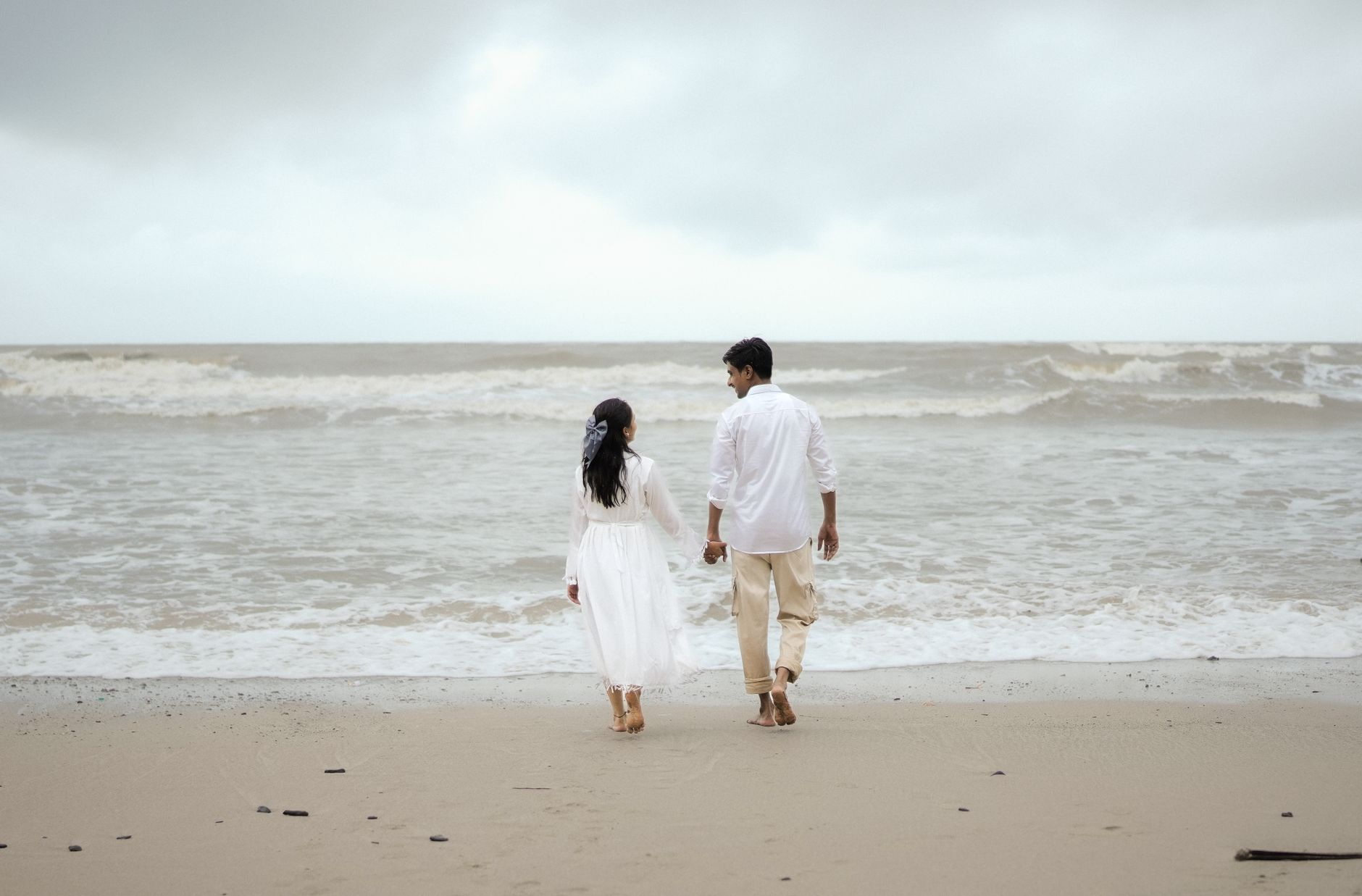
The destination wedding industry in India is projected to grow substantially over the next few years, with couples increasingly seeking unique, memorable venues beyond traditional hometown celebrations. Maharashtra is positioning itself to capture this market with its diverse offerings.
The state features everything from heritage palaces and forts to beachfront resorts along the Konkan coast and vineyard estates in Nashik. Cities like Udaipur and Jaipur in Rajasthan have long dominated the destination wedding market, but Maharashtra's proximity to major metropolitan areas and its variety of landscapes present compelling alternatives.
Destination weddings often involve multi-day celebrations with dozens or even hundreds of guests, generating significant revenue for hotels, restaurants, transportation services, and local vendors. By promoting itself as a wedding destination, Maharashtra is tapping into both the domestic market of affluent Indian families and the international market of NRI couples seeking to celebrate in India.
UNESCO Heritage Sites as Cultural Anchors
Maharashtra is home to several UNESCO World Heritage Sites that serve as powerful tourism magnets. The Ajanta and Ellora Caves, featuring ancient Buddhist, Hindu, and Jain rock-cut monuments, rank among India's most spectacular archaeological treasures. The Victorian Gothic and Art Deco buildings of Mumbai represent another UNESCO-listed site that showcases the city's colonial architectural heritage.
The Chhatrapati Shivaji Maharaj Terminus, formerly Victoria Terminus, stands as an iconic example of Victorian Gothic Revival architecture and serves as a functioning railway station that sees millions of commuters daily. These heritage sites provide cultural depth to Maharashtra's tourism portfolio and appeal to travelers seeking authentic historical experiences.
By emphasizing these UNESCO sites in its marketing campaigns, Maharashtra differentiates itself from competitors and attracts culturally motivated travelers who typically stay longer and spend more on guided tours, local crafts, and authentic dining experiences.
Infrastructure and Connectivity Improvements
Maharashtra's tourism ambitions require substantial infrastructure investments. The state has been working on improving road connectivity to tourism destinations, upgrading airports in cities like Pune and Nagpur, and enhancing tourist facilities at heritage sites.
The Mumbai-Pune Expressway already provides excellent connectivity between these two major cities, and ongoing projects aim to improve access to coastal areas and heritage sites in rural regions. Better infrastructure not only makes destinations more accessible but also enhances the overall visitor experience, encouraging repeat visits and positive word-of-mouth.
Positioning for India Tourism 2026
The 2026 target date suggests Maharashtra is aligning its strategy with broader national tourism goals. India has been working to increase its share of global tourism arrivals, and states like Maharashtra play crucial roles in this effort.
The emphasis on multiple tourism segments—MICE, weddings, heritage, and general leisure—represents a smart diversification strategy. Rather than relying solely on one type of visitor, Maharashtra is building a resilient tourism ecosystem that can weather seasonal fluctuations and changing market conditions.
By showcasing these initiatives at international platforms like the WOW Awards Asia, Maharashtra is signaling to tour operators, event planners, and potential visitors worldwide that it is serious about becoming a premier tourism destination. The coming years will reveal whether these bold ambitions translate into measurable growth in visitor numbers and tourism revenue.