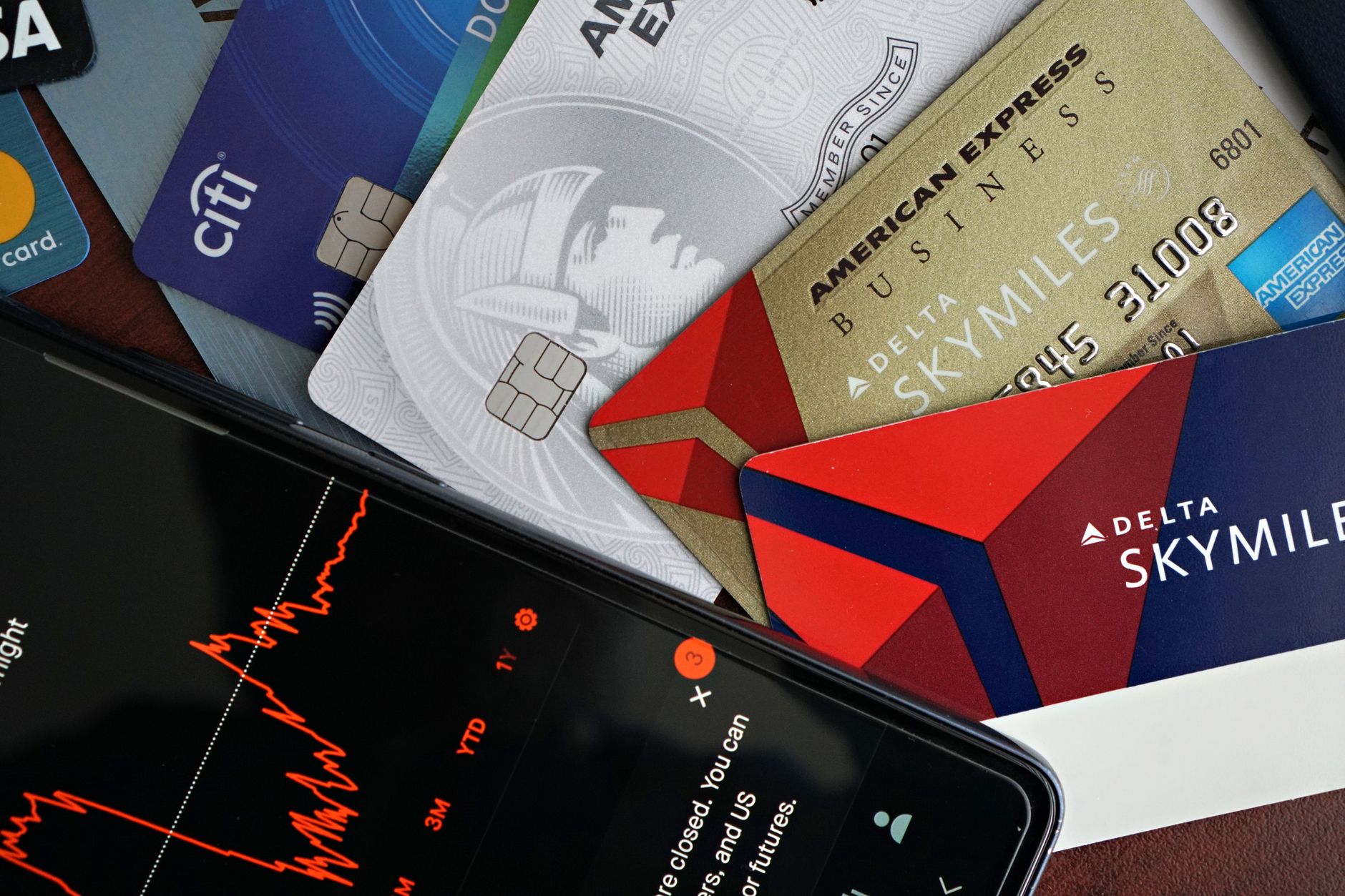
India's credit card market has exploded in recent years, with outstanding cards crossing 100 million and spending volumes reaching record highs. However, banks are discovering that growth in card numbers doesn't automatically translate to higher profits. The issue? Fewer customers are "revolving" their credit card balances, and this behavioral shift is squeezing bank margins.
Understanding the Revolver Phenomenon
In credit card terminology, a "revolver" is a cardholder who carries a balance from month to month, paying interest on the outstanding amount. These customers are traditionally the most profitable segment for card issuers because they generate substantial interest income, often at rates ranging from 24% to 42% annually in India.
Conversely, "transactors" are customers who pay their entire bill by the due date, enjoying the interest-free credit period without incurring finance charges. While banks earn merchant discount rates and interchange fees from these customers, the revenue is significantly lower compared to interest income from revolvers.
Why Revolver Rates Are Declining
Several factors are contributing to the decline in revolver proportions in the Indian market. Increased financial literacy has made consumers more aware of the high cost of credit card debt, prompting them to prioritize full payment of bills. The proliferation of personal finance apps and budget tracking tools has also helped people manage their spending more efficiently.
Additionally, the availability of alternative credit products like Buy Now Pay Later services, personal loans with lower interest rates, and digital lending platforms has given consumers better options when they need to finance purchases over time. Many customers now prefer these alternatives over expensive credit card debt.
The COVID-19 pandemic also triggered a fundamental shift in borrowing behavior. Many Indians became more cautious about debt, building emergency funds and reducing unnecessary spending. This conservative approach has persisted even as economic activity has normalized.
Impact on Banks and Card Issuers
For banks, the declining revolver base represents a significant revenue challenge. Credit card operations involve substantial fixed costs including technology infrastructure, reward programs, fraud prevention systems, and customer acquisition expenses. These costs are typically recovered through a combination of interest income, annual fees, and transaction fees.
When fewer customers revolve balances, the most lucrative revenue stream diminishes. Banks must then rely more heavily on annual fees, which face resistance from customers who can easily switch to competitor cards with no fees, and on transaction-based income, which carries lower margins.
Some issuers are responding by tightening credit standards, focusing on customer segments more likely to revolve balances, or restructuring their reward programs to reduce costs. Others are introducing new fee structures or reducing the generosity of benefits like lounge access and cashback offers.
What This Means for Cardholders
For responsible credit card users who pay bills in full each month, the evolving landscape could bring both opportunities and challenges. As banks compete for profitable customers, attractive sign-up bonuses and welcome offers may become more common. However, the golden era of ultra-premium rewards with no strings attached may be waning.
Cardholders may notice gradual erosion of benefits, with features like complimentary airport lounge visits being capped or reward redemption values being reduced. Annual fee waivers based on spending thresholds might become harder to achieve, and some cards may introduce additional charges for services previously offered free.
On the positive side, the industry's focus on profitability could spur innovation in value-added services that go beyond traditional rewards. Banks might develop more sophisticated offerings around financial wellness, insurance, and lifestyle benefits that create stickiness without requiring customers to revolve balances.
Making Smart Credit Card Choices
Consumers should view this market evolution as an opportunity to reassess their credit card strategy. Evaluate cards based on actual value received rather than flashy marketing, considering annual fees against realistic reward earnings from your spending patterns.
Maintain the discipline of paying bills in full to avoid interest charges, regardless of how banks structure their offerings. If you must carry a balance occasionally, consider lower-interest alternatives like personal loans rather than expensive credit card debt.
Stay informed about changes to your card's terms and benefits, and don't hesitate to switch to better options if your current card's value proposition deteriorates significantly.
The information provided in this article is for general informational purposes only and should not be considered as financial advice. Readers should conduct their own research and consult with qualified financial advisors before making credit or investment decisions.