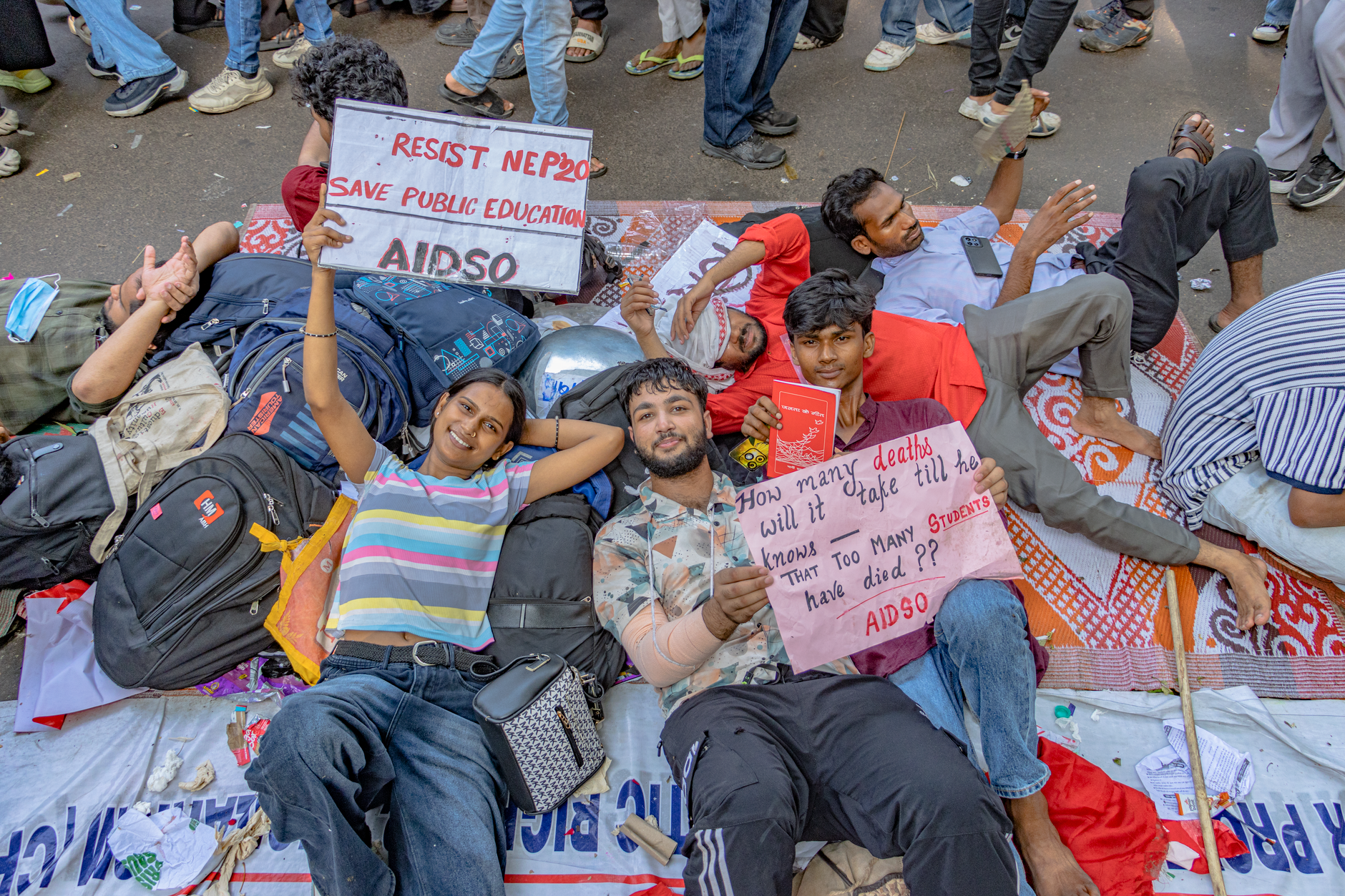
The replacement of Education Secretary Vineet Joshi marks a significant development in India's ongoing struggle with examination integrity. The decision comes amid sustained pressure from civil society groups and follows a series of high-profile paper leaks that have disrupted competitive examinations and caused widespread distress among students across the country.
The Growing Crisis of Paper Leaks
India's examination system has been plagued by recurring incidents of paper leaks over the past few years. These breaches have affected various competitive examinations, including those conducted by the National Testing Agency (NTA), which operates under the Ministry of Education. From medical entrance tests to university admissions and government job recruitment exams, the scope of these leaks has been extensive and damaging.
Paper leaks undermine the fundamental principle of merit-based selection and create an uneven playing field where honest students suffer while those with access to leaked materials gain unfair advantages. Each incident forces authorities to cancel examinations, leading to delays in academic calendars, increased anxiety among students, and additional financial burden on families who must arrange for their children to retake these tests.
Impact on Students and Families
The consequences of examination paper leaks extend far beyond mere inconvenience. Millions of students spend months or even years preparing for competitive examinations that determine their career trajectories. When papers are leaked, these efforts are rendered meaningless, and students must restart their preparation cycles.
The psychological toll is particularly severe. Students report increased stress, anxiety, and loss of faith in the system. Parents who invest substantial resources in coaching, study materials, and examination fees face both financial losses and emotional strain watching their children navigate this uncertain landscape.
Civil Society Response and Protests
Civil society organizations have been at the forefront of demanding accountability for these repeated failures. Protests and public campaigns have highlighted the need for systemic reforms in how examinations are conducted, papers are stored, and security protocols are maintained. These groups have called for transparent investigations into each incident and appropriate action against officials responsible for examination security.
The pressure from these organizations reflects broader public frustration with governance failures that affect educational opportunities. In a country where competitive examinations serve as critical gateways to higher education and employment, ensuring their integrity is not merely an administrative matter but a question of social justice.
Systemic Challenges in Examination Management
The recurring nature of paper leaks points to deeper systemic issues within India's examination infrastructure. Experts have identified several vulnerabilities including inadequate security measures during paper printing and transportation, insider threats from individuals involved in the examination process, and technological gaps in monitoring and detection systems.
Additionally, the sheer scale of India's examination system presents unique challenges. With millions of candidates appearing for various tests simultaneously across thousands of centers nationwide, maintaining consistent security standards becomes exponentially complex. This complexity, however, cannot serve as an excuse for failures that affect students' futures.
The Path Forward
Addressing the paper leak crisis requires comprehensive reforms across multiple dimensions. Enhanced security protocols, including better background checks for personnel handling examination materials, improved technological systems for paper storage and distribution, and real-time monitoring mechanisms are essential starting points.
Greater accountability measures, including swift investigations and consequences for security breaches, can serve as deterrents. Some experts advocate for increased computerization of examinations where feasible, reducing the physical handling of question papers and minimizing human intervention points where leaks can occur.
Transparency in examination processes and regular audits of security measures can help rebuild public trust. The government must also consider structural reforms to examination conducting bodies, ensuring they have adequate resources, expertise, and independence to maintain integrity.
What This Leadership Change Means
The replacement of the Education Secretary signals governmental recognition of the severity of the crisis and the need for fresh leadership to implement reforms. However, changing personnel alone cannot solve systemic problems. The new leadership will need clear mandates, adequate resources, and political backing to implement meaningful changes to examination management systems.
The education sector and millions of students will be watching closely to see whether this administrative change leads to genuine improvements in examination security or remains merely symbolic. The true test will be whether future examinations proceed without leaks and whether trust in India's testing system can be restored.
This article is for general information purposes only and reflects the situation as understood from public reports and general knowledge of India's examination system.