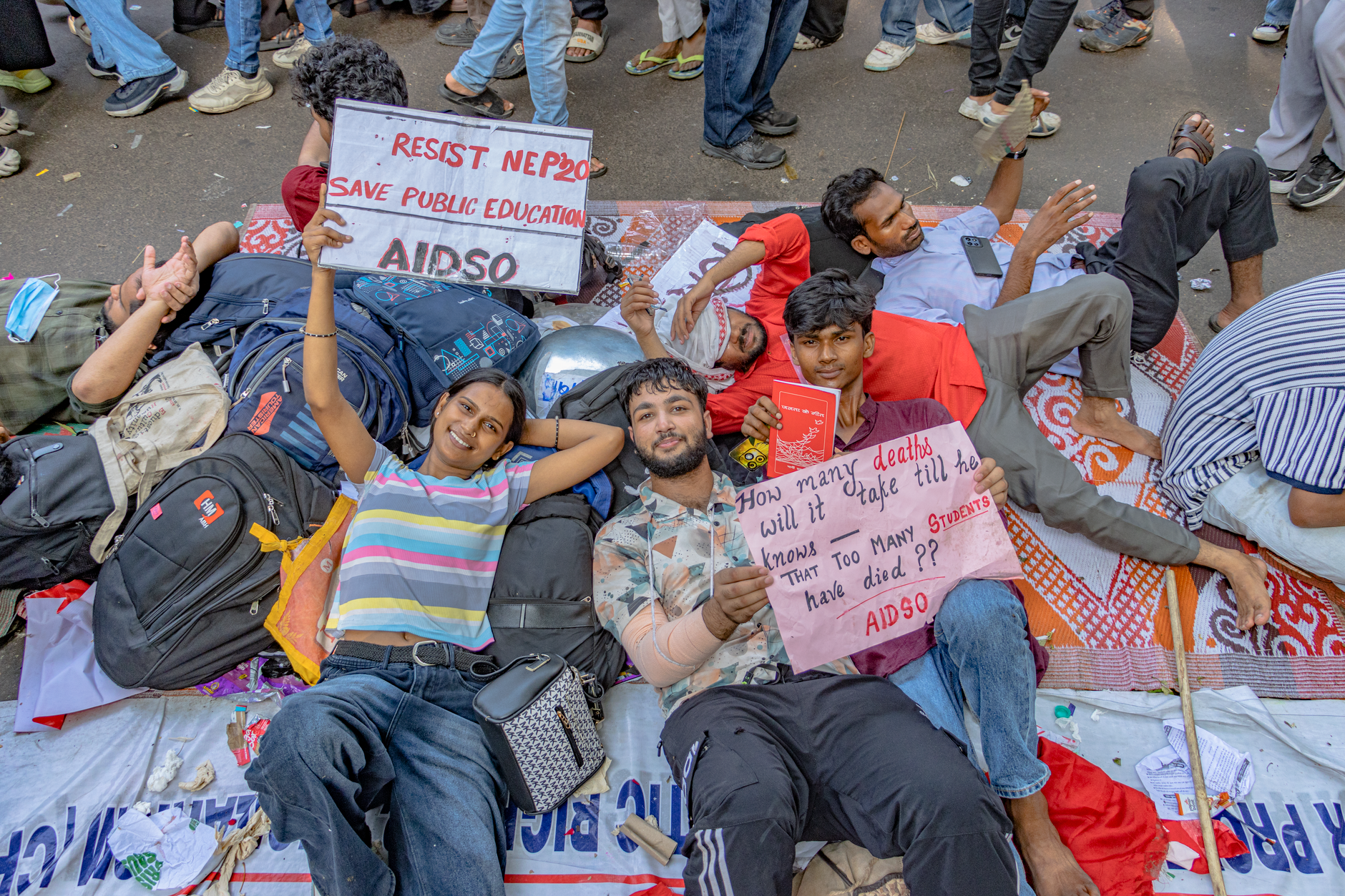
The replacement of India's Higher Education Secretary marks a significant administrative response to one of the most persistent challenges facing the country's examination system. Exam paper leaks have become alarmingly frequent in recent years, undermining the credibility of competitive examinations that determine the futures of millions of students across the nation.
The Scale of the Problem
Examination paper leaks have evolved from isolated incidents into a recurring crisis that affects multiple levels of India's education system. From state board examinations to prestigious national-level competitive tests, breaches in examination security have created widespread distrust among students, parents, and educators. These leaks typically occur when question papers are accessed and distributed through various channels before the scheduled examination time, giving unfair advantages to those who obtain them while invalidating the efforts of honest candidates.
The impact extends beyond individual examinations. When papers are leaked, authorities often have no choice but to cancel and reschedule tests, disrupting the academic calendars of millions of students. This creates cascading effects on admissions processes, career timelines, and the overall education ecosystem.
How Paper Leaks Occur
Understanding the mechanics of paper leaks reveals vulnerabilities at multiple stages of examination administration. The journey of a question paper from creation to distribution involves numerous touchpoints, each representing a potential breach point.
- Printing facilities where papers are produced under supposedly secure conditions
- Storage locations where sealed papers await distribution
- Transportation channels moving papers from central facilities to examination centers
- Examination centers themselves, where papers are held before the test begins
- Digital systems used for online examinations or paper generation
Criminal networks have become increasingly sophisticated, targeting these weak points through bribery, insider access, and technological exploitation. In some cases, photographs of papers are circulated through social media and messaging apps hours or even days before examinations.
The Human Cost
Behind the statistics and administrative responses lie millions of young Indians whose futures hang in the balance. For many students, particularly those from economically disadvantaged backgrounds, competitive examinations represent their primary pathway to social mobility and professional success. A single leaked paper can derail years of preparation and sacrifice.
The psychological toll is equally significant. Students who have prepared honestly face the demoralizing reality that their efforts may be undermined by those who gained unfair access to questions. This breeds cynicism about meritocracy and institutional integrity at a formative age.
Parents invest substantial resources in their children's education, often making significant financial sacrifices. When examinations are compromised, these investments feel wasted, and trust in the system erodes.
Systemic Weaknesses
The recurring nature of paper leaks points to deeper structural issues rather than isolated failures. India's examination system operates at an enormous scale, with some competitive tests attracting millions of candidates. Managing such volume while maintaining security presents extraordinary logistical challenges.
Inadequate technological infrastructure contributes to vulnerabilities. While some countries have transitioned largely to secure digital examination systems, India's infrastructure varies widely across regions, making uniform implementation of advanced security measures difficult.
Corruption within the system remains a persistent problem. When individuals responsible for examination security can be compromised through bribes or pressure, no amount of procedural safeguards proves sufficient.
Reform Measures Under Consideration
The administrative shake-up signals potential for comprehensive reform. Experts have long advocated for several key improvements to examination security.
Technological upgrades could include encrypted digital question banks that generate unique papers for each examination center, making large-scale leaks more difficult. Biometric authentication and AI-powered surveillance could enhance security at examination venues.
Stricter accountability mechanisms for officials involved in examination administration would increase deterrence. Currently, consequences for security breaches often remain unclear or inadequately enforced.
Some reformers advocate for fundamental changes to examination formats themselves, suggesting that moving away from single high-stakes tests toward continuous assessment models would reduce the incentive and impact of paper leaks.
The Path Forward
The secretary's replacement alone cannot solve systemic problems built over decades. However, it represents official acknowledgment that the status quo is unacceptable and change is imperative.
Restoring faith in India's examination system requires sustained commitment from multiple stakeholders: government officials who must prioritize security investments, educators who must advocate for fair practices, technology providers who can deliver secure systems, and civil society that must maintain pressure for accountability.
For India's youth, the stakes could not be higher. Their futures depend on examinations that are not merely conducted but conducted with integrity, ensuring that success reflects merit rather than access to leaked materials.