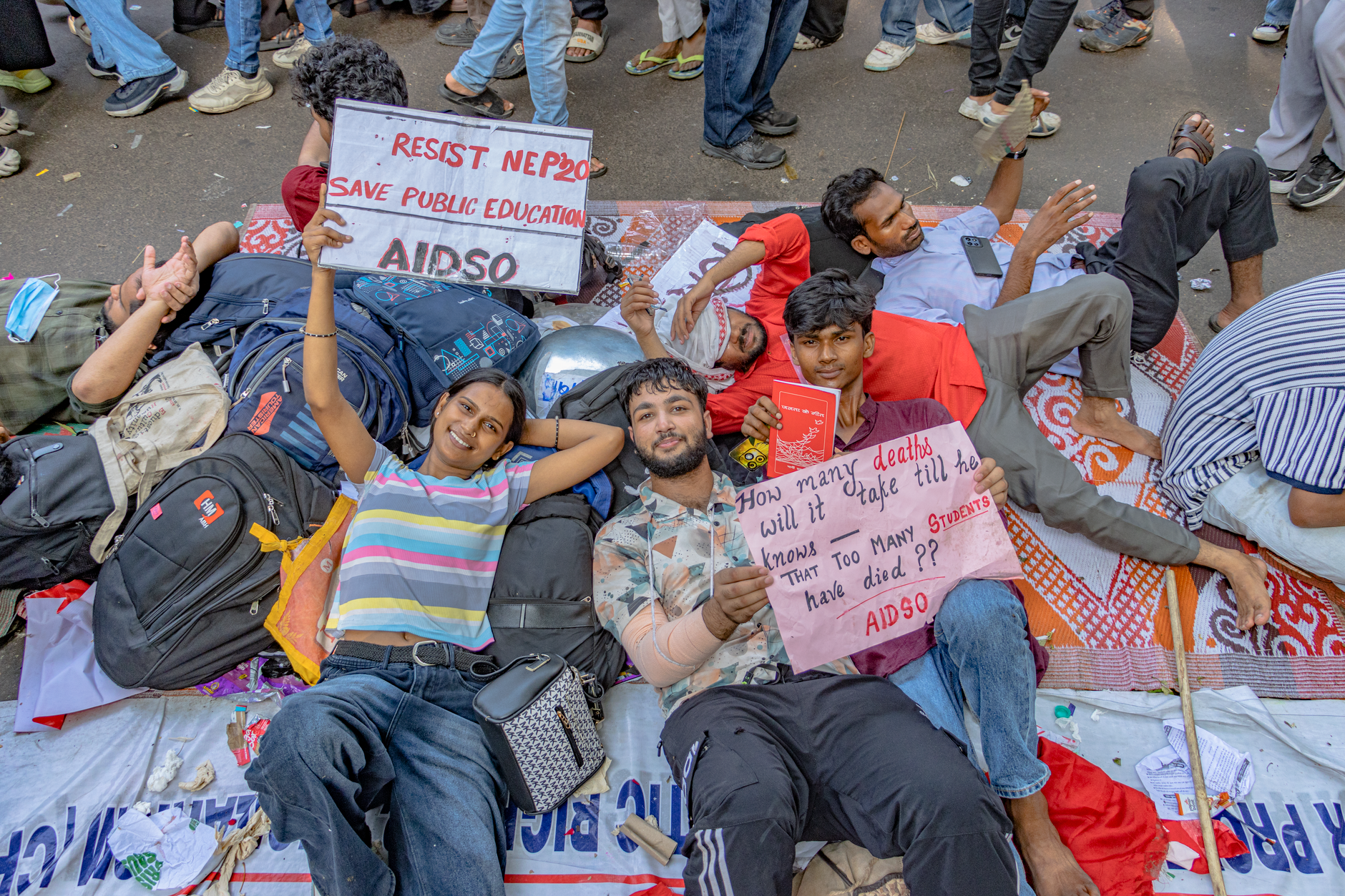
India's youngest generation is making its voice heard on an issue that affects their futures directly: the quality and relevance of education they receive. Across cities and campuses, Gen-Z students are organizing protests, social media campaigns, and public forums demanding fundamental changes to an education system they believe is outdated and inadequate for 21st-century challenges.
The Core Grievances
The protests reflect deep frustration with multiple aspects of India's education system. Students are questioning rote learning methods that emphasize memorization over critical thinking and problem-solving skills. The examination-centric approach, they argue, creates unnecessary stress while failing to assess genuine understanding or practical capabilities.
Many protesters highlight the disconnect between classroom learning and real-world job requirements. Graduates often find themselves unemployable despite years of study because curricula haven't kept pace with rapidly evolving industry needs, particularly in technology, sustainability, and digital economy sectors.
Infrastructure issues also feature prominently in student demands. Overcrowded classrooms, insufficient laboratory facilities, outdated libraries, and limited access to digital resources put Indian students at a disadvantage compared to their global peers. Rural and semi-urban areas face even more severe resource constraints.
The Generational Shift
What makes these protests particularly significant is the demographic involved. Gen-Z, born roughly between 1997 and 2012, represents India's first truly digital-native generation. They have unprecedented access to information about educational models in other countries and can easily compare their experiences with global standards.
This generation is also more vocal about mental health concerns related to academic pressure. The intense competition for limited seats in premier institutions, coaching culture, and parental expectations create what many describe as a toxic ecosystem. Students are demanding recognition of these psychological impacts and systemic changes to reduce unhealthy stress.
Social media has amplified these voices exponentially. Hashtag campaigns, viral videos documenting poor infrastructure, and online petitions have given the movement visibility that previous generations couldn't achieve. This digital activism has forced authorities and policymakers to acknowledge concerns they might previously have dismissed.
What Students Want
The demands emerging from these protests are specific and actionable. Students are calling for curriculum updates that incorporate contemporary skills like coding, data literacy, environmental science, and financial education. They want more emphasis on experiential learning, internships, and project-based assessments rather than solely end-of-term examinations.
There's strong advocacy for expanding vocational education and removing the stigma associated with non-academic career paths. Many protesters argue that the current system funnels too many students toward engineering and medicine while undervaluing trades, arts, and entrepreneurship.
Better teacher training features prominently in student demands. Young learners want educators who can facilitate learning rather than merely transmit information, who understand modern pedagogy, and who can mentor students beyond textbook content.
Infrastructure improvement, especially in government schools and colleges, is another non-negotiable demand. Students point out that quality education shouldn't depend on family wealth, yet private institutions consistently outperform public ones due to resource disparities.
The Broader Context
These protests occur against a backdrop of significant education policy changes in India. The National Education Policy 2020 promised many reforms students are now demanding, but implementation has been slow and uneven. Students are essentially holding policymakers accountable for promises made.
Economic factors intensify the urgency. India's youth unemployment remains high even as the country boasts demographic advantages. Students recognize that without quality education, India cannot leverage its young population for economic growth. They're protesting not just for themselves but for national competitiveness.
The movement also reflects global trends. From climate strikes to social justice movements, Gen-Z worldwide has shown willingness to organize around issues they care about. Indian students are applying similar activism to education reform.
Looking Forward
Whether these protests catalyze meaningful change remains to be seen. Education reform requires sustained political will, substantial investment, and coordination across multiple government levels. However, the very existence of this youth-led movement signals that future voters won't accept incremental improvements to a system they view as fundamentally flawed.
Universities and schools that respond proactively to student concerns may gain competitive advantages. Those that dismiss these demands risk continued disruption and reputational damage in an era where student voices carry unprecedented weight.
The Gen-Z education protests represent more than youthful idealism. They reflect a generation's determination to secure the quality education they need to thrive in an increasingly complex world.
This article is for general informational purposes only and does not constitute professional educational or career advice. Readers should conduct their own research and consult appropriate authorities for specific guidance.
===END===