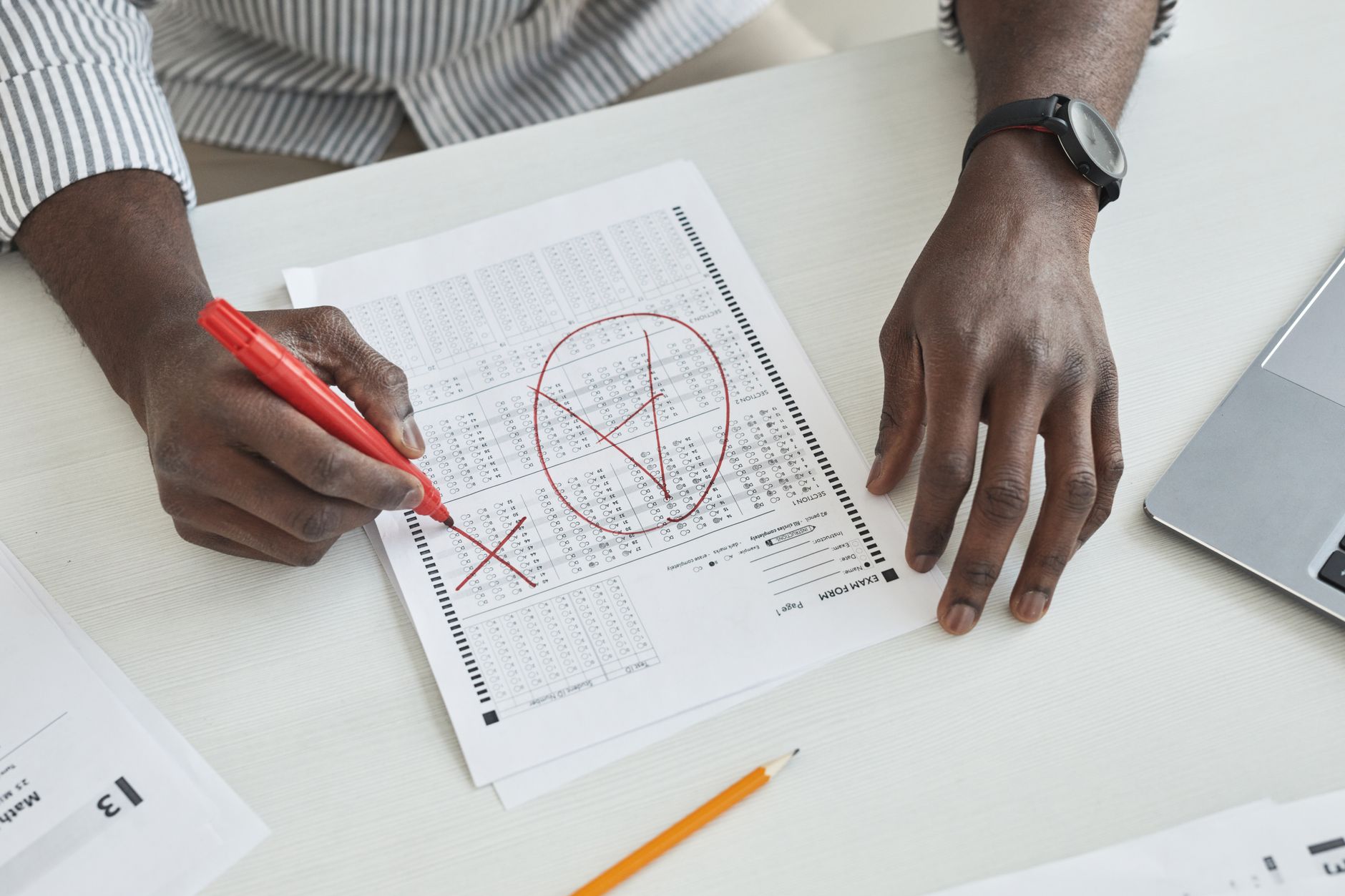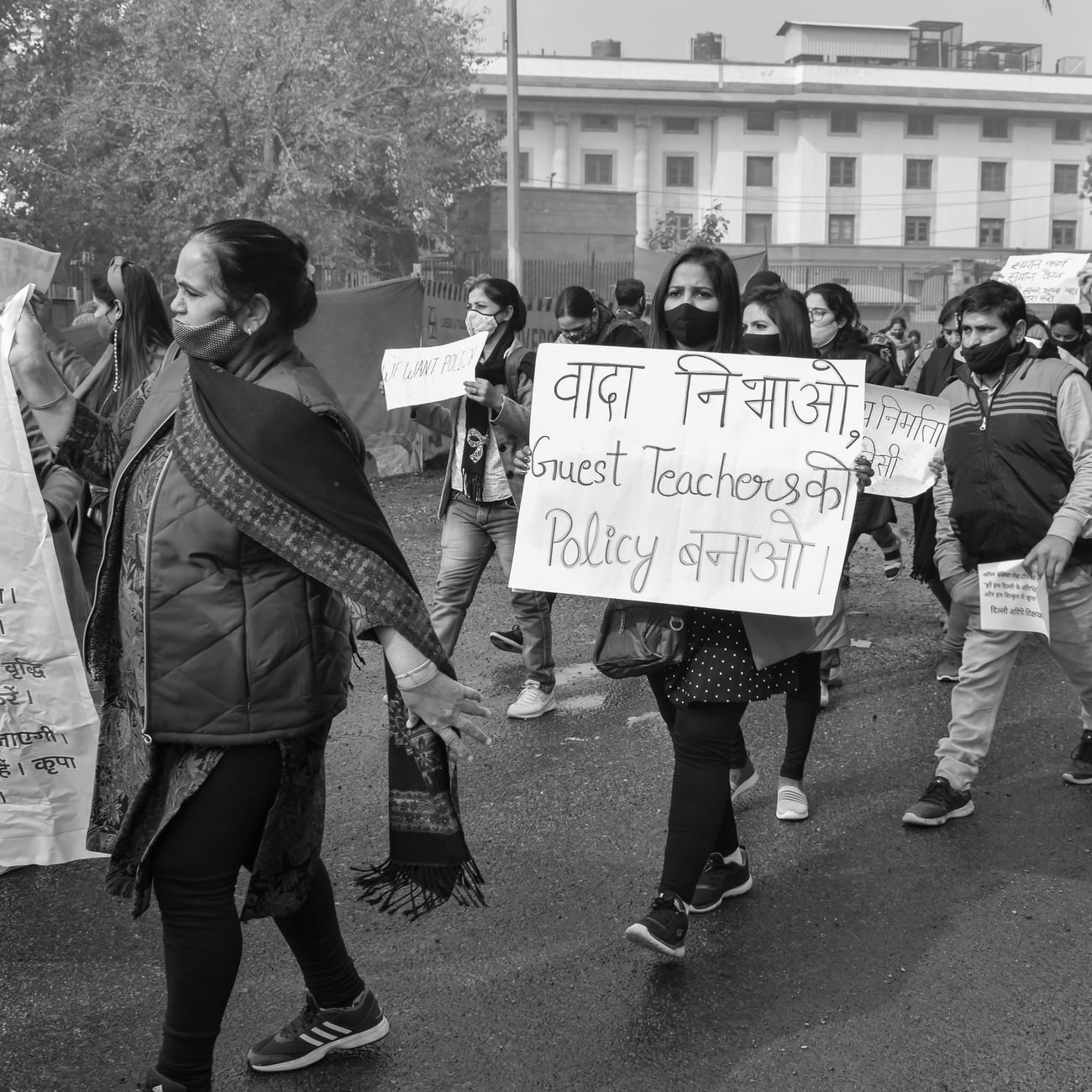
The recent wave of student protests across India has brought the issue of examination irregularities to the forefront of national discourse. Following Prime Minister Narendra Modi's public acknowledgment and promise to tackle exam leaks, the question on everyone's mind is: what concrete steps will follow, and how will they reshape India's examination landscape?
The Scale of the Problem
India's competitive examination system serves as the gateway to prestigious educational institutions and government jobs for millions of aspirants annually. Exams like NEET (National Eligibility cum Entrance Test), JEE (Joint Entrance Examination), and various civil service tests determine the futures of countless young Indians. When the integrity of these examinations comes under question, it doesn't just affect individual candidates—it shakes the foundation of meritocracy that the system claims to uphold.
Recent allegations of paper leaks have affected multiple high-stakes examinations, leading to cancellations, re-tests, and widespread anxiety among students who invest years of preparation and significant financial resources. The protests reflect not just anger over specific incidents, but accumulated frustration with a pattern of irregularities that many believe has persisted for years.
What Modi's Promise Entails
The Prime Minister's commitment to address examination malpractices represents a political acknowledgment of a crisis that can no longer be ignored. However, promises must translate into actionable policy frameworks. The government faces pressure to demonstrate that this isn't merely damage control but a genuine reform initiative.
Key areas where stakeholders expect movement include stricter legislation with severe penalties for those involved in leaking papers, improved security protocols in examination centers, and greater accountability for agencies responsible for conducting these tests.
Immediate Reforms Being Discussed
Several immediate measures are under consideration by education authorities and policymakers. Enhanced digital security for question paper storage and transmission stands as a priority, with suggestions for blockchain technology integration to create tamper-proof systems.
The examination conducting bodies are also looking at diversifying question banks and implementing multi-version papers to reduce the impact of any potential leak. Some experts advocate for moving toward more continuous evaluation systems that reduce the weight of single high-stakes examinations, though this represents a longer-term structural change.
Background verification processes for everyone involved in exam administration—from paper setters to invigilators—are being strengthened. There's also discussion about creating an independent regulatory body specifically for monitoring competitive examinations, separate from existing educational authorities.
Challenges in Implementation
The path from promise to practice remains fraught with obstacles. India's examination system operates at an enormous scale, with millions of candidates appearing for various tests annually across thousands of centers nationwide. Implementing uniform security standards across this vast infrastructure requires substantial investment and coordination between central and state authorities.
- Technological upgrades demand significant financial resources and technical expertise
- Resistance from entrenched interests who may benefit from the current system's vulnerabilities
- The time required to develop and test new secure systems without disrupting scheduled examinations
- Balancing security enhancements with accessibility for students from rural and economically disadvantaged backgrounds
What Students and Parents Should Watch For
Concrete legislative action in Parliament represents the first tangible step toward reform. Bills proposing stringent anti-paper-leak laws have been discussed, and their passage would signal serious intent.
Changes in examination protocols will become visible through announcements from bodies like the National Testing Agency (NTA). Students should stay informed through official channels about new security measures, verification processes, or changes to examination formats.
Transparency in investigation outcomes of past leaks will indicate whether accountability is genuine. Public disclosure of actions taken against those found responsible would help rebuild trust.
The Broader Impact on Indian Education
This crisis presents an opportunity to rethink India's examination-centric education model. While competitive exams remain necessary for selection into limited seats, the over-reliance on single tests creates conditions where any irregularity has catastrophic consequences.
Progressive educators argue for reforms that emphasize holistic assessment, skill development, and multiple pathways to success. Whether the current controversy catalyzes such fundamental rethinking remains to be seen.
The international reputation of Indian education and professional qualifications also hangs in the balance. Students aspiring to study or work abroad need assurance that their Indian credentials carry weight and credibility.
Moving Forward
The coming months will reveal whether Modi's promise translates into systemic reform or remains a political statement. Student organizations have indicated they will maintain pressure through continued monitoring and advocacy. The sustainability of any reforms will depend on consistent implementation and regular audits.
For the millions of students preparing for upcoming examinations, the hope is that their efforts will be evaluated fairly, and their futures determined by merit rather than compromised by malpractice. The restoration of trust in India's examination system requires not just promises, but demonstrable, sustained action.