India's education system, once regarded as a pathway to social mobility and economic prosperity, is experiencing significant strain across multiple levels. From overcrowded government schools to the proliferation of coaching centres and the psychological burden on students, the challenges facing young Indians today reflect systemic issues that demand urgent attention.
The Infrastructure and Quality Gap
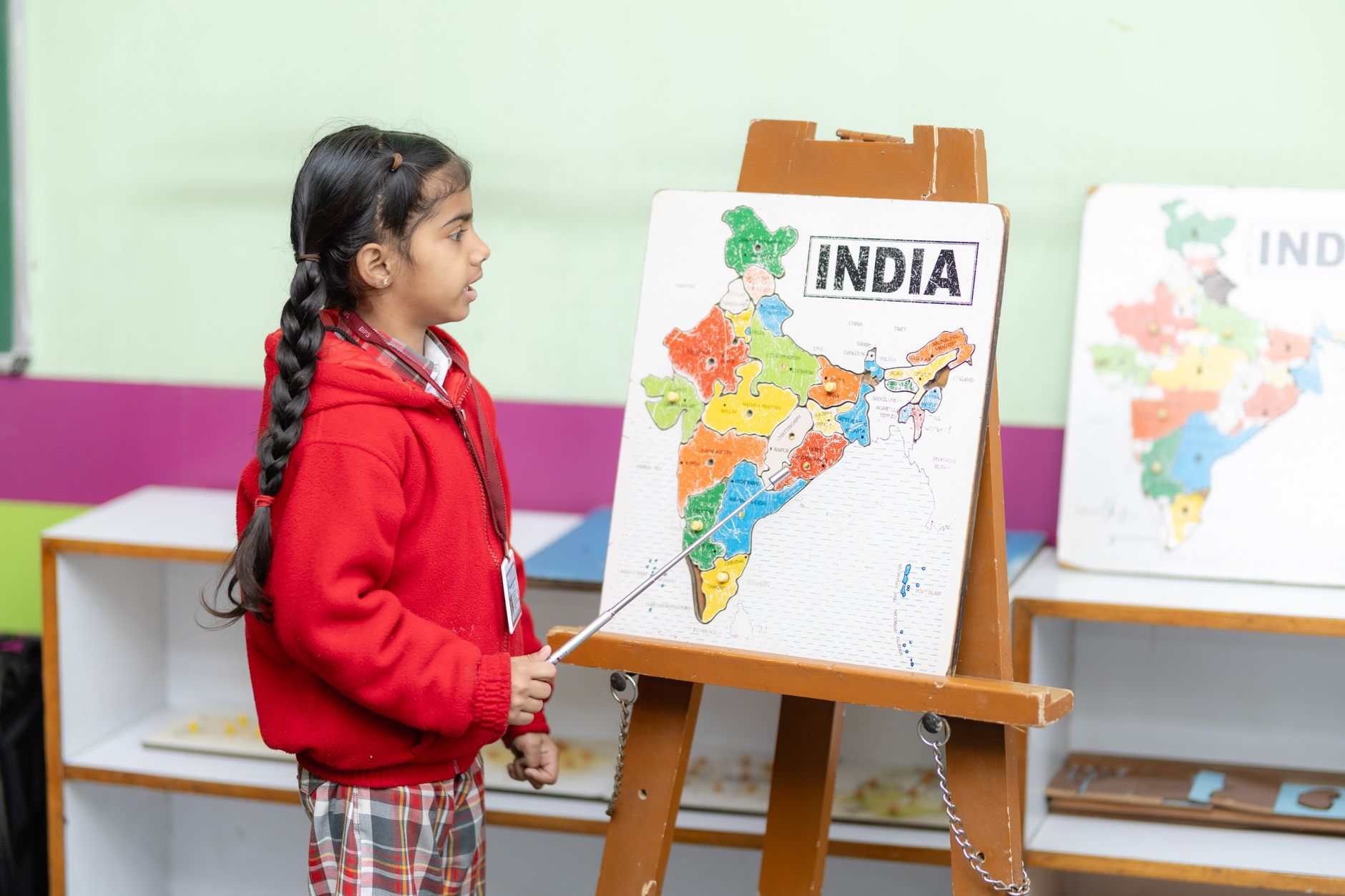
The divide between government and private educational institutions continues to widen. Millions of students in rural and semi-urban areas attend schools with inadequate infrastructure, including lack of functional toilets, insufficient teaching staff, and limited access to digital learning tools. The teacher-student ratio in many government schools far exceeds recommended standards, making personalised attention nearly impossible.
Quality of instruction remains a persistent concern. Reports indicate that a significant percentage of students in primary grades cannot perform basic reading and arithmetic appropriate to their grade level. This learning deficit compounds as students progress through the system, leaving many ill-prepared for higher education or employment.
The Pandemic's Lasting Impact
The COVID-19 pandemic accelerated existing problems while creating new ones. Extended school closures affected over 240 million students across India, with the most severe impact on economically disadvantaged families lacking access to smartphones, computers, or stable internet connections.
Learning loss during this period has been substantial. Studies suggest that students lost nearly two years of foundational learning, particularly in mathematics and language skills. Many children, especially girls in rural areas, never returned to school after closures ended, instead joining the workforce or being married off.
Mental Health Crisis Among Students
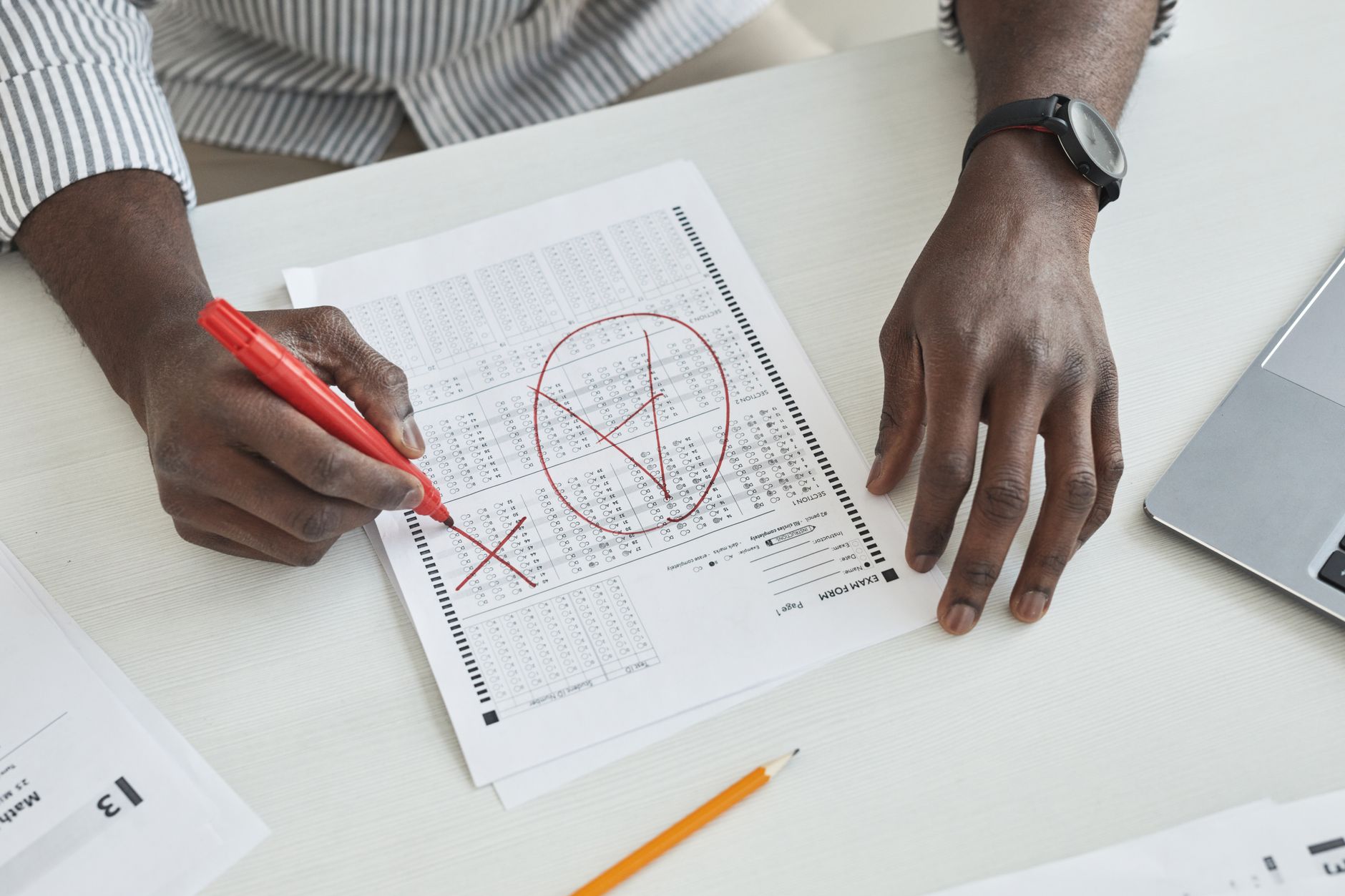
The psychological toll on India's youth has reached alarming levels. Intense academic pressure, competitive entrance examinations, and fear of unemployment have created a mental health emergency. Student suicides related to academic stress and exam failures continue to make headlines with disturbing frequency.
The coaching centre culture, particularly for medical and engineering entrance exams, has transformed education into a high-stakes race beginning as early as middle school. Students often attend regular school and then spend additional hours in coaching classes, leaving little time for sleep, recreation, or family interaction.
The Employment Disconnect
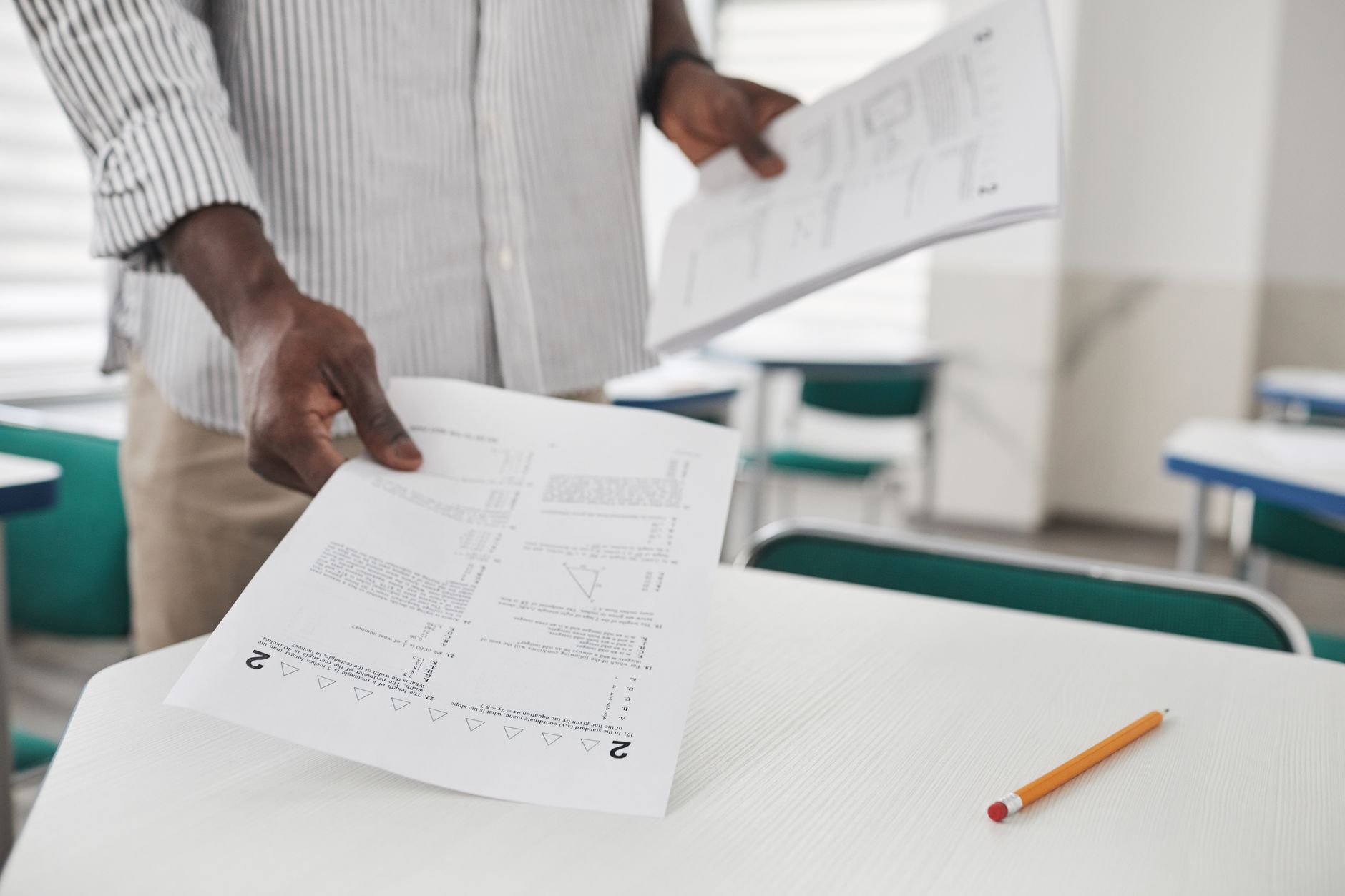
Despite producing millions of graduates annually, India faces a paradox of educated unemployment. The curriculum in many institutions remains outdated, failing to equip students with skills demanded by modern industries. Rote learning continues to dominate over critical thinking, creativity, and practical application.
This mismatch between education and employability means that even graduates from prestigious institutions struggle to find suitable jobs, while industries report difficulty in finding adequately skilled workers. The situation is particularly acute in emerging sectors like artificial intelligence, data analytics, and renewable energy.
Inequality and Access Issues
Educational inequality mirrors and perpetuates broader social stratification. Students from marginalised communities, including Scheduled Castes, Scheduled Tribes, and economically weaker sections, face multiple barriers to quality education. Language becomes another obstacle when instruction in English-medium schools creates advantages for urban, affluent students.
Gender disparity, while improving, remains significant in certain regions and communities. Safety concerns, early marriage, domestic responsibilities, and cultural attitudes continue to limit educational opportunities for girls, particularly beyond primary level.
Reform Attempts and Challenges
The National Education Policy 2020 promised transformative changes, including flexible curriculum, multidisciplinary learning, and emphasis on foundational literacy. However, implementation has been slow and uneven across states. Resource constraints, bureaucratic inertia, and resistance to change hamper progress.
Private sector involvement in education has grown substantially, but concerns about commercialisation and affordability remain. Many families spend a disproportionate share of their income on education, viewing it as essential for their children's future despite uncertain returns.
The Way Forward
Addressing India's education crisis requires coordinated action across multiple fronts. Increased public investment, improved teacher training, curriculum modernisation, and integration of technology are essential. Equally important is addressing the psychological well-being of students through counselling services and reducing excessive academic pressure.
Community participation, accountability mechanisms, and regular learning assessments can help identify and address gaps before they become insurmountable. Creating diverse pathways to success beyond traditional academic routes can reduce the winner-takes-all mentality that currently dominates.
The challenges facing India's education system are not insurmountable, but they require political will, sustained investment, and societal commitment to ensuring that every child receives quality education that prepares them not just for examinations, but for meaningful lives and productive careers.
This article provides general information about challenges in India's education sector and should not be construed as specific educational or career advice. Individual circumstances vary, and readers should consult appropriate professionals for personalised guidance.